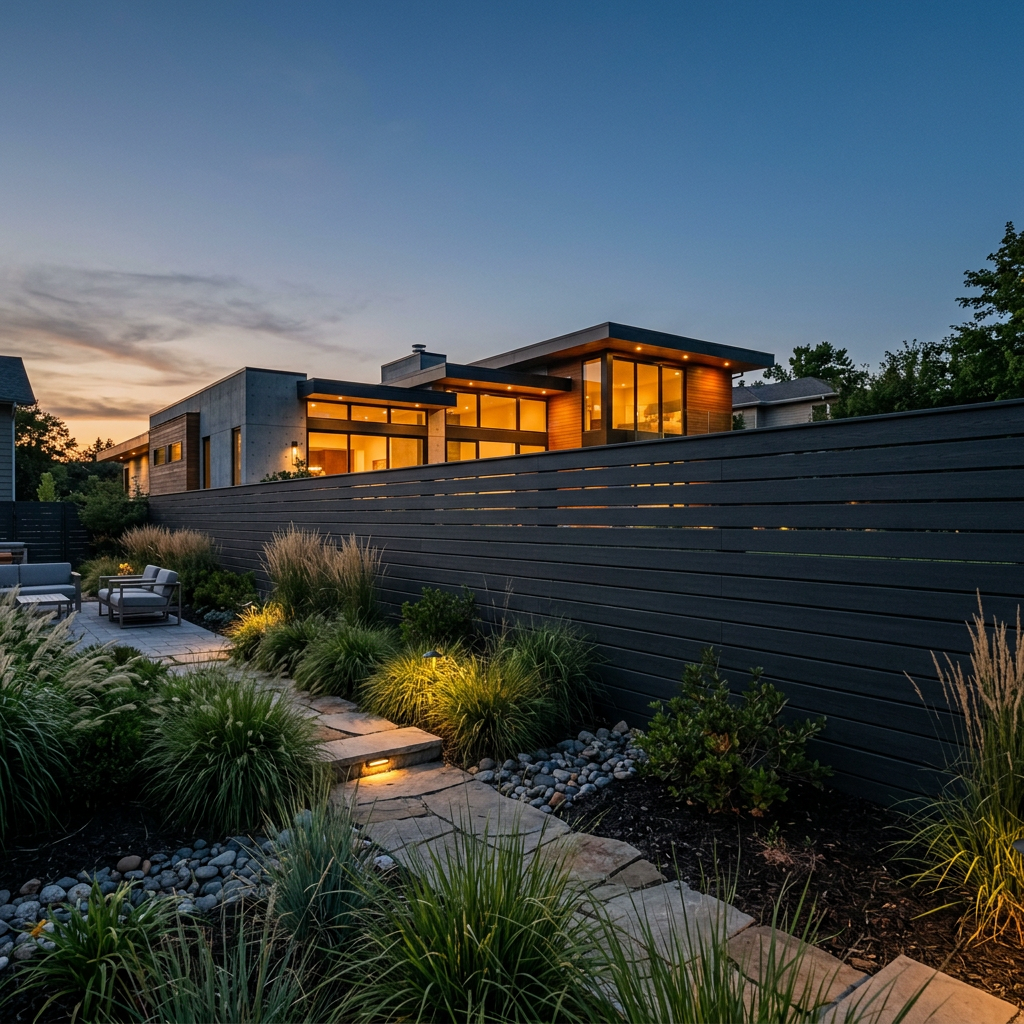
Trex vs. Cedar Fencing: Which Is Best for Utah Yards?
Comparing Trex composite and cedar fencing for Utah homeowners — cost, maintenance, durability, and which material wins in our unique climate.
fence
Jun 15, 2026
If you're planning a new deck, you've probably asked the question: is composite decking really worth the premium price? The short answer for most Utah homeowners is yes — but let's break down exactly why, with real numbers and real Utah climate considerations.
Composite decking costs more upfront than wood. A pressure-treated wood deck typically runs $25–$40 per square foot installed, while a Trex composite deck runs $40–$65 per square foot. Cedar falls somewhere in the middle at $35–$50 per square foot.
For a 300-square-foot deck, that means composite costs roughly $4,000–$7,000 more upfront than pressure-treated wood. That's a significant difference — but it's only part of the story.
Wood decks require annual maintenance in Utah's climate. That means staining or sealing every year ($300–$800 per treatment for a typical deck), plus board replacements as individual boards rot, warp, or crack from our freeze-thaw cycles.
Over 10 years, a wood deck owner in Utah can expect to spend $4,000–$10,000 on maintenance alone — often more than the original cost difference of going composite. And that doesn't count the value of your own weekends spent on deck maintenance.
Trex composite requires zero staining, sealing, or board replacement. Soap and water cleaning once or twice a year is all it needs. The 25-year warranty covers fading and staining, so the deck you install today looks essentially the same in 2040.
Utah's climate is particularly tough on wood decks. Our intense UV at 4,000+ feet elevation degrades wood finishes rapidly. Freeze-thaw cycles crack and split wood boards. Dry conditions cause warping. And our heavy Wasatch snow loads put structural stress on aging wood.
Composite decking is engineered for exactly these conditions. It won't absorb moisture, won't crack from freeze-thaw, resists UV fading, and handles snow loads without issue. For Utah homeowners, the climate advantage is real and significant.
According to national remodeling data, a composite deck returns approximately 60–70% of its cost at resale — one of the highest ROI home improvements available. In Utah's hot real estate market, composite decking is a genuine selling point that buyers recognize and value.
Buyers increasingly look for low-maintenance outdoor spaces. A composite deck signals that the home has been upgraded with quality materials and requires minimal ongoing work — a strong selling point that can help your home sell faster and for more.
Composite isn't always the right answer. Wood may be the better choice if: you're planning to sell within 3–5 years and want to minimize upfront cost, you genuinely enjoy the maintenance process, or you prefer the authentic look and feel of natural wood.
For most Utah homeowners planning to stay in their home 7+ years, Trex composite decking pays for itself through eliminated maintenance costs alone — and delivers a better-looking, longer-lasting deck throughout. The ROI math works.
ABF Fencing builds custom Trex composite and cedar decks throughout northern Utah. We'll design a deck that fits your space, budget, and lifestyle. Contact us today for a free estimate.
Next Step
Related Articles
Comparing Trex composite and cedar fencing for Utah homeowners — cost, maintenance, durability, and which material wins in our unique climate.
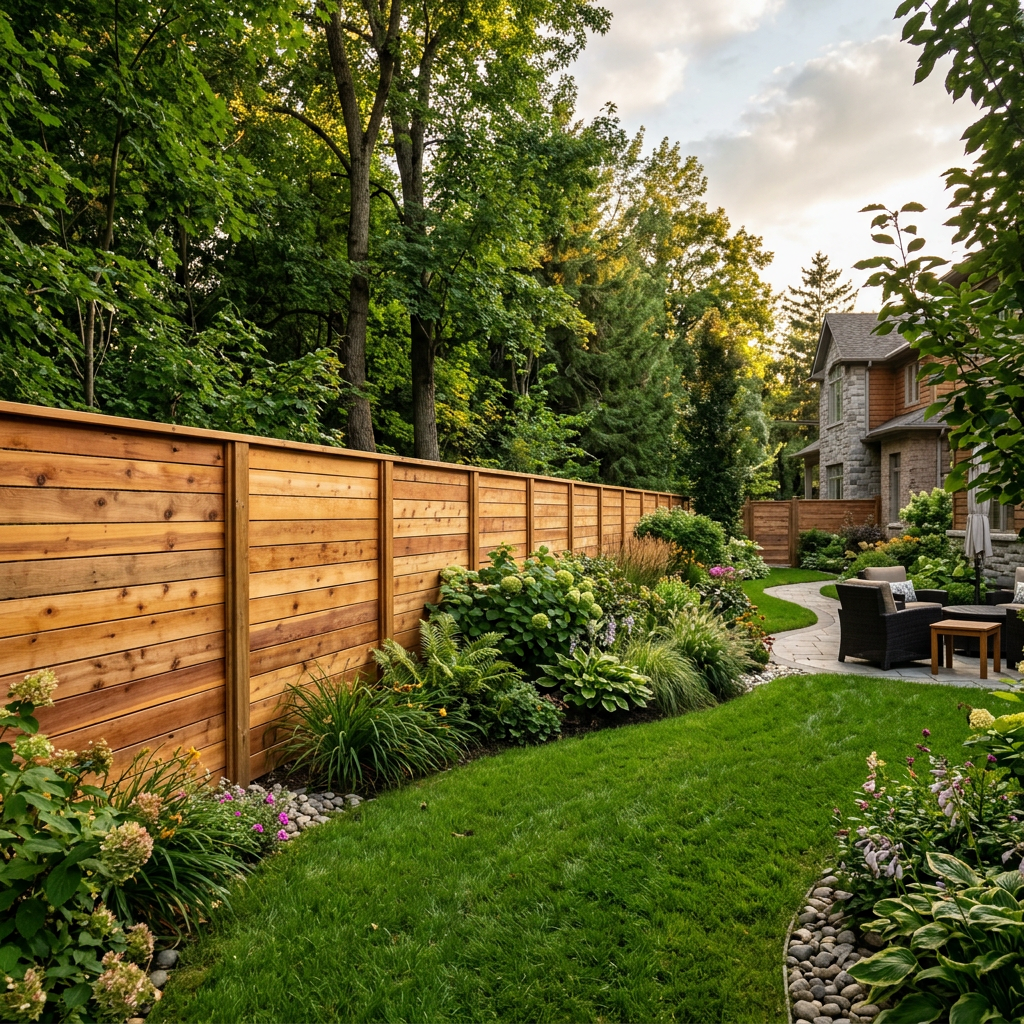
Utah winters are hard on cedar fences. Here's a seasonal maintenance guide to protect your investment from freeze-thaw damage, snow loads, and UV exposure.
From freestanding cedar structures to modern composite pergolas, here are pergola design ideas that add shade, style, and value to your Utah backyard.
We use cookies and analytics tools to enhance your experience and understand website usage. By continuing to use this site, you consent to our Privacy Policy.