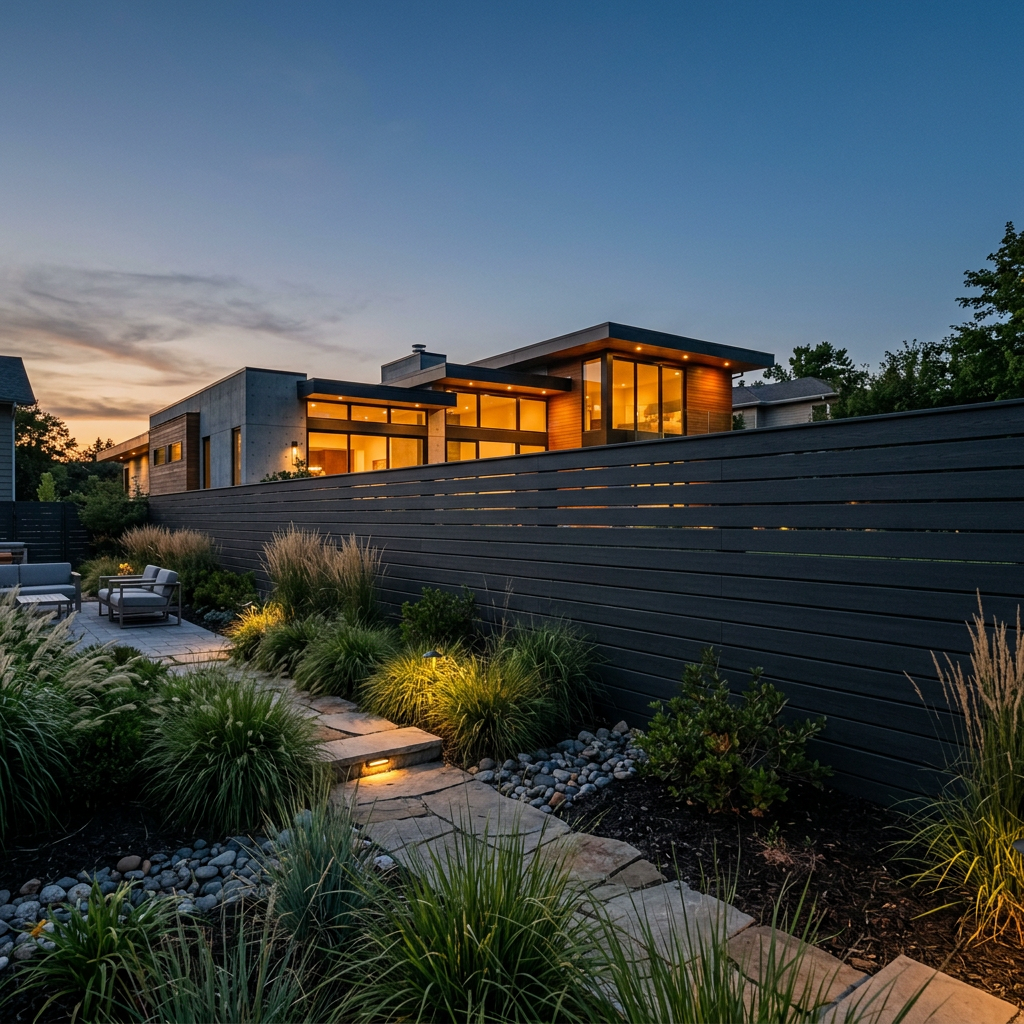
Trex vs. Cedar Fencing: Which Is Best for Utah Yards?
Comparing Trex composite and cedar fencing for Utah homeowners — cost, maintenance, durability, and which material wins in our unique climate.
fence
Jun 15, 2026
Deck design has evolved dramatically over the past few years. Utah homeowners are treating their decks as true outdoor living spaces — not just platforms for a grill and a patio table. Here are the deck design trends we're seeing across northern Utah in 2026, and how you can incorporate them into your own project.
Utah's varied terrain — from flat valley lots to steep foothill properties — makes multi-level decks a natural fit. Splitting a deck into two or three levels creates distinct zones for different activities: a dining area on one level, a lounge area on another, and perhaps a small bar or cooking zone on a third.
Multi-level decks are especially popular on sloped Utah properties where a single-level deck would require extensive grading. By working with the natural slope, we can create a stunning terraced outdoor space that maximizes usable area.
Composite decking has overtaken wood as the preferred material for new Utah decks — and for good reason. Utah's climate is tough on wood decks, and homeowners are increasingly choosing the zero-maintenance, 25-year-warranty benefits of Trex composite.
In 2026, we're seeing rich, dark composite colors gaining popularity — deep browns, charcoal grays, and even black. These bold colors create a modern, sophisticated look that pairs beautifully with Utah's natural landscape.
Lighting is no longer an afterthought — it's designed into the deck from the start. We're installing LED lighting in several configurations:
Integrated lighting extends deck usability into the evening — essential for Utah's warm summer nights.
Full outdoor kitchens are trending hard in Utah. Rather than a standalone grill, homeowners are building dedicated cooking zones with built-in grills, countertops, storage, and even refrigerators. The deck becomes a true extension of the indoor kitchen.
Even if a full outdoor kitchen isn't in the budget, we're seeing dedicated cooking nooks with built-in counters and storage for grilling essentials.
Combining materials creates visual interest and defines different zones. Popular combinations include:
This trend works especially well on larger decks where a single material can feel monotonous.
Traditional wood railings are giving way to metal — particularly black aluminum and cable railings. Metal railings offer several advantages:
Cable railings are especially popular for decks with views — the thin cables nearly disappear, creating an almost invisible safety barrier.
Decks are increasingly being designed with integrated pergolas or shade structures. Rather than a freestanding umbrella, a permanent pergola provides consistent shade and architectural definition. We design decks with pergola footings and structural support built in from the start.
Fire pits and fireplaces are becoming standard deck features in Utah. Whether it's a gas fire bowl integrated into the deck surface or a full outdoor fireplace, fire features extend the deck season well into fall and even winter.
The key to a great deck is designing for how you'll actually use the space. Think about your lifestyle — do you entertain large groups, cook outdoors, need shade for afternoon use, or want a quiet retreat? Your deck should be designed around those needs.
ABF Fencing designs and builds custom decks throughout northern Utah. We stay current with the latest trends and materials, and we'll help you create a deck that fits your home, lifestyle, and budget. Contact us today for a free estimate.
Next Step
Related Articles
Comparing Trex composite and cedar fencing for Utah homeowners — cost, maintenance, durability, and which material wins in our unique climate.
Thinking about a composite deck in Utah? We break down the real cost, maintenance savings, and ROI of Trex composite decking vs. wood for Utah homeowners.
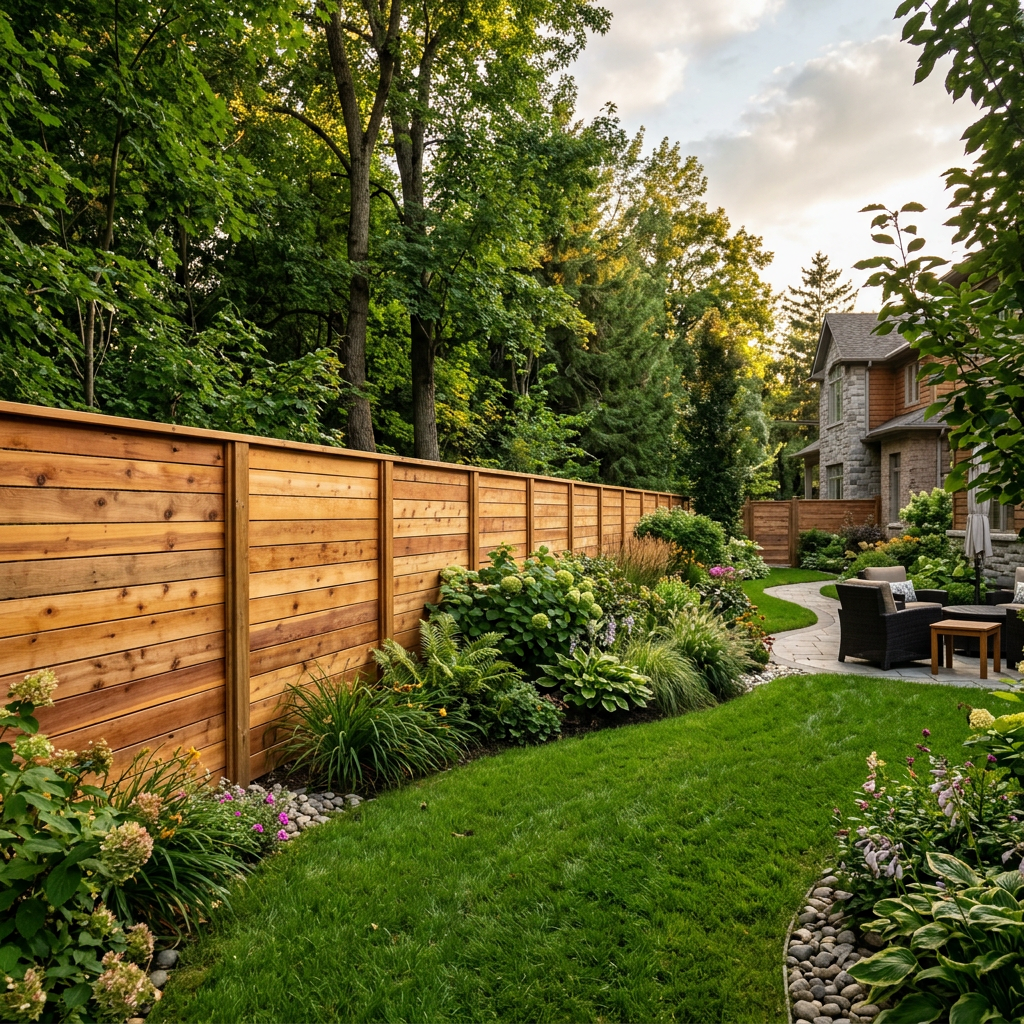
Utah winters are hard on cedar fences. Here's a seasonal maintenance guide to protect your investment from freeze-thaw damage, snow loads, and UV exposure.
We use cookies and analytics tools to enhance your experience and understand website usage. By continuing to use this site, you consent to our Privacy Policy.