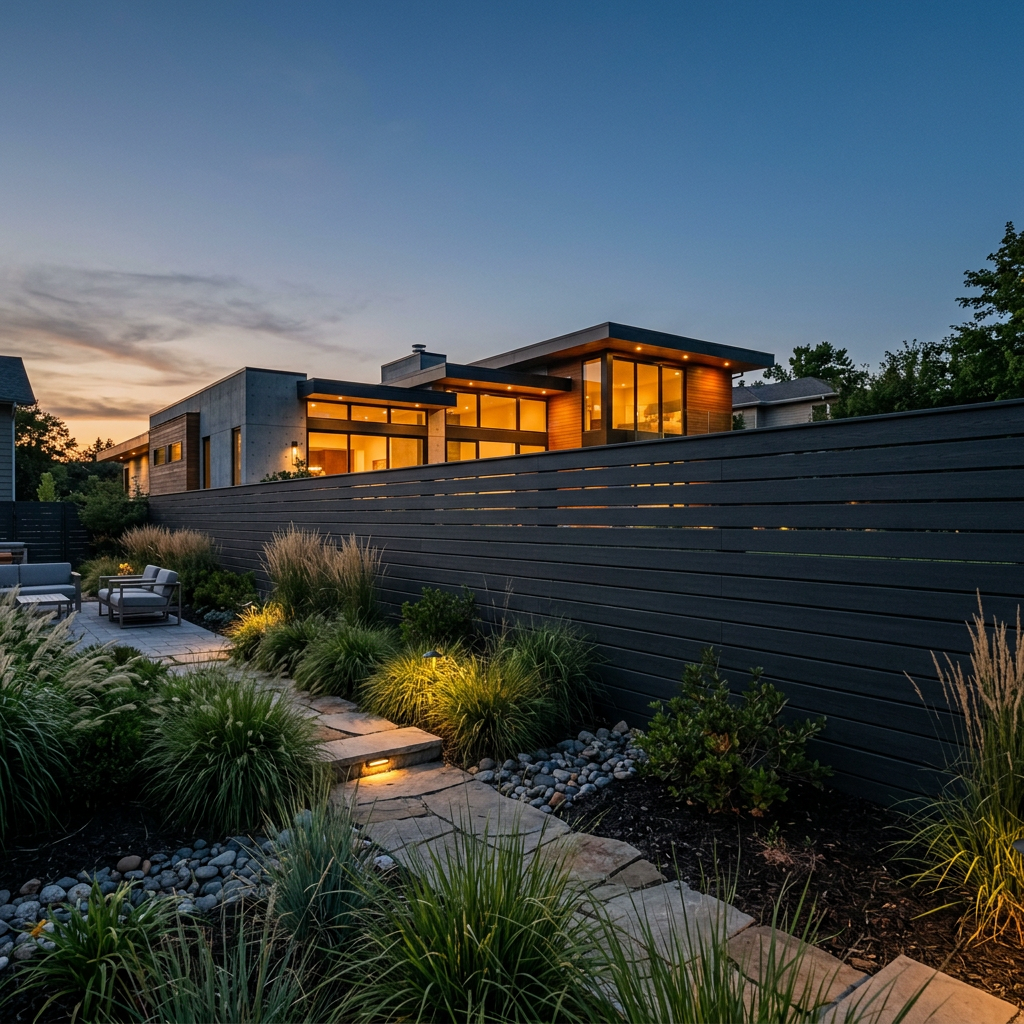
Trex vs. Cedar Fencing: Which Is Best for Utah Yards?
Comparing Trex composite and cedar fencing for Utah homeowners — cost, maintenance, durability, and which material wins in our unique climate.
fence
Jun 15, 2026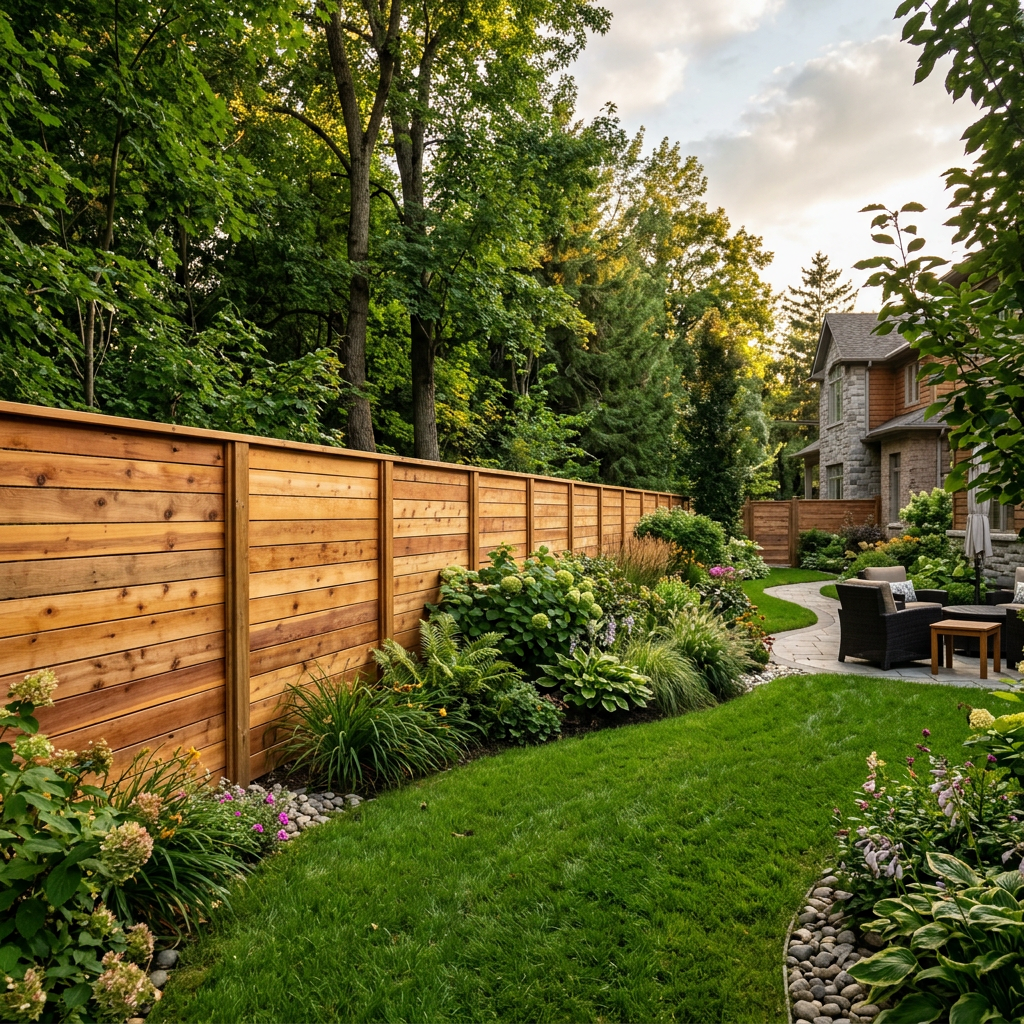
One of the most common questions we get from Utah homeowners is: "Do I need a permit for my fence?" The answer depends on your city, your HOA, and the specifics of your project. Here's a clear guide to fence permits in Utah so you know what to expect before you build.
In most Utah cities, you need a permit for any fence over 6 feet tall, and in some cities, for any fence over 4 feet — even in backyards. Front yard fences almost always require a permit and are typically limited to 4 feet in height.
Here's a general breakdown by city:
These regulations change, so always verify current requirements with your city's building department before starting your project.
If you live in a community with a homeowners association, you'll likely need HOA approval in addition to (or instead of) a city permit. HOA requirements typically cover:
HOA approval timelines vary — some approve in a week, others take 4–6 weeks. Start this process early, especially in spring when HOA boards are reviewing many requests.
Before any fence post can be dug, Utah law requires that underground utilities be marked. This is done through Blue Stakes of Utah — a free service that sends utility companies to mark the location of buried lines on your property.
We handle this for all our installations, but if you're planning a DIY fence, call 811 at least 48 hours before digging. Hitting a buried utility line is dangerous and expensive.
Even with a permit, you can't build a fence anywhere on your property. Easements — areas where utilities or municipalities have access rights — may restrict where you can place your fence. Common easements include:
Building a fence in an easement can result in an order to remove it. Always check your property survey and plat map before finalizing fence placement.
If you live on a corner lot, additional restrictions apply. Most Utah cities limit fence heights near intersections to maintain sightlines for traffic safety. Typically, fences within 25–35 feet of an intersection are limited to 3–4 feet in height.
Homes in historic districts (common in parts of Salt Lake City, Ogden, and Provo) face additional fence restrictions. Materials, styles, and colors may be regulated by the local historic preservation commission. Approval can take several months, so plan accordingly.
One of the biggest advantages of working with ABF Fencing is that we handle the entire permit process — from application to approval to final inspection. We know the requirements in every city we serve and can advise on what's possible for your specific property.
We also help with HOA submissions, providing the documentation, spec sheets, and renderings your HOA board needs to approve your project quickly.
ABF Fencing handles permits and HOA approvals for fence installations throughout northern Utah. Contact us today for a free estimate — we'll take care of the paperwork so you don't have to.
Next Step
Related Articles
Comparing Trex composite and cedar fencing for Utah homeowners — cost, maintenance, durability, and which material wins in our unique climate.
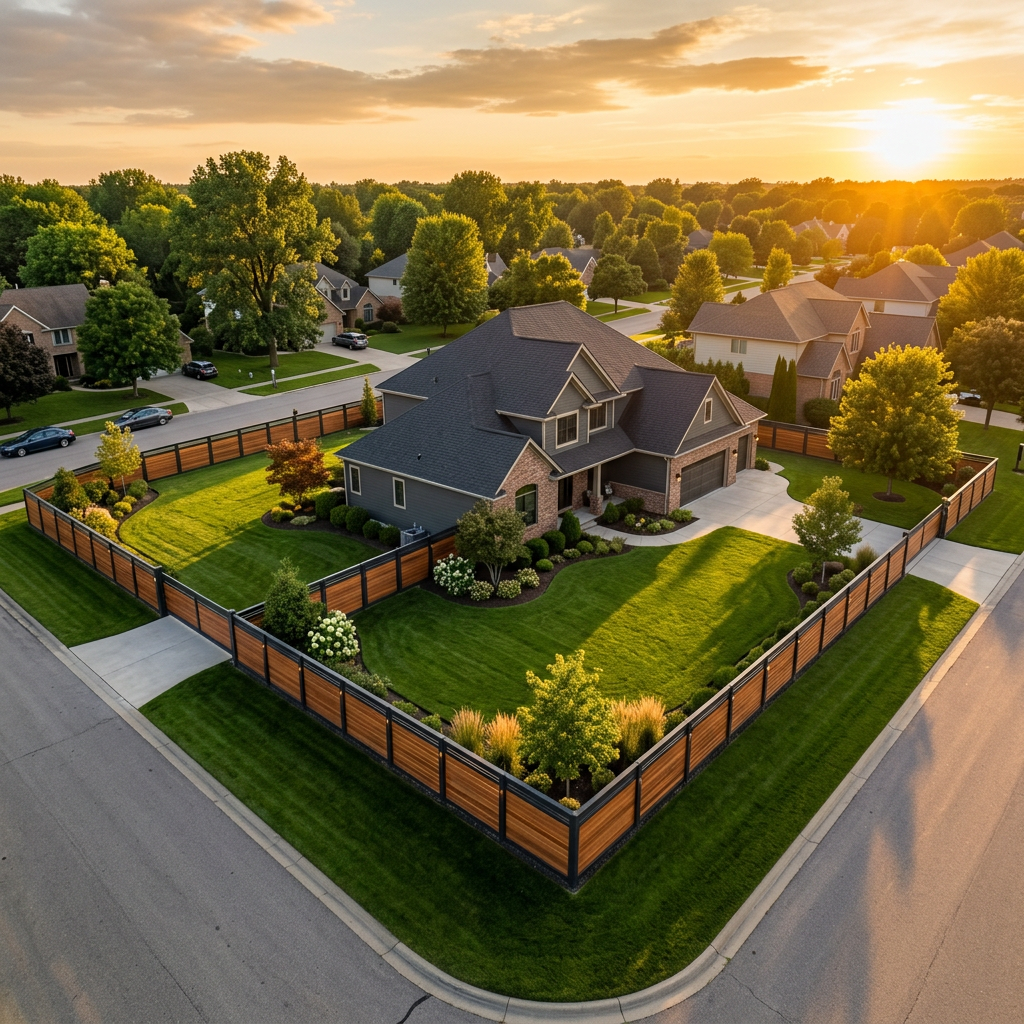
Thinking about a composite deck in Utah? We break down the real cost, maintenance savings, and ROI of Trex composite decking vs. wood for Utah homeowners.
Utah winters are hard on cedar fences. Here's a seasonal maintenance guide to protect your investment from freeze-thaw damage, snow loads, and UV exposure.
We use cookies and analytics tools to enhance your experience and understand website usage. By continuing to use this site, you consent to our Privacy Policy.